ॐ नागराजाय नमः
Nag Panchami 2026
Monday, 17th August 2026 • Shravan Shukla Panchami
Mumbai's Grandest Serpent Festival at Shree Suvarna Temple
ॐ नागराजाय नमः
Monday, 17th August 2026 • Shravan Shukla Panchami
Mumbai's Grandest Serpent Festival at Shree Suvarna Temple
The sacred festival honouring the Naga — the divine serpent
Nag Panchami is one of the most sacred Hindu festivals, celebrated on the fifth day of the bright fortnight (Shukla Paksha) of the month of Shravan (July/August). On this auspicious day, devotees worship the Nagas — divine serpents who are revered as protectors of the earth and guardians of treasures.
According to Hindu mythology, the Nagas are closely associated with Lord Shiva, who wears the serpent king Vasuki around his neck. The great cosmic serpent Shesha Naga (Adi Shesha) serves as the bed upon which Lord Vishnu rests in the cosmic ocean. In the Mahabharata, King Janamejaya performed a great serpent sacrifice (Sarpa Satra), which was stopped by the sage Astika — an event commemorated on Nag Panchami.
Lord Krishna's legendary victory over the serpent Kaliya in the Yamuna river is also celebrated on this day, symbolising the triumph of divine protection over fear.
Why this is Mumbai's most revered destination for Nag Panchami
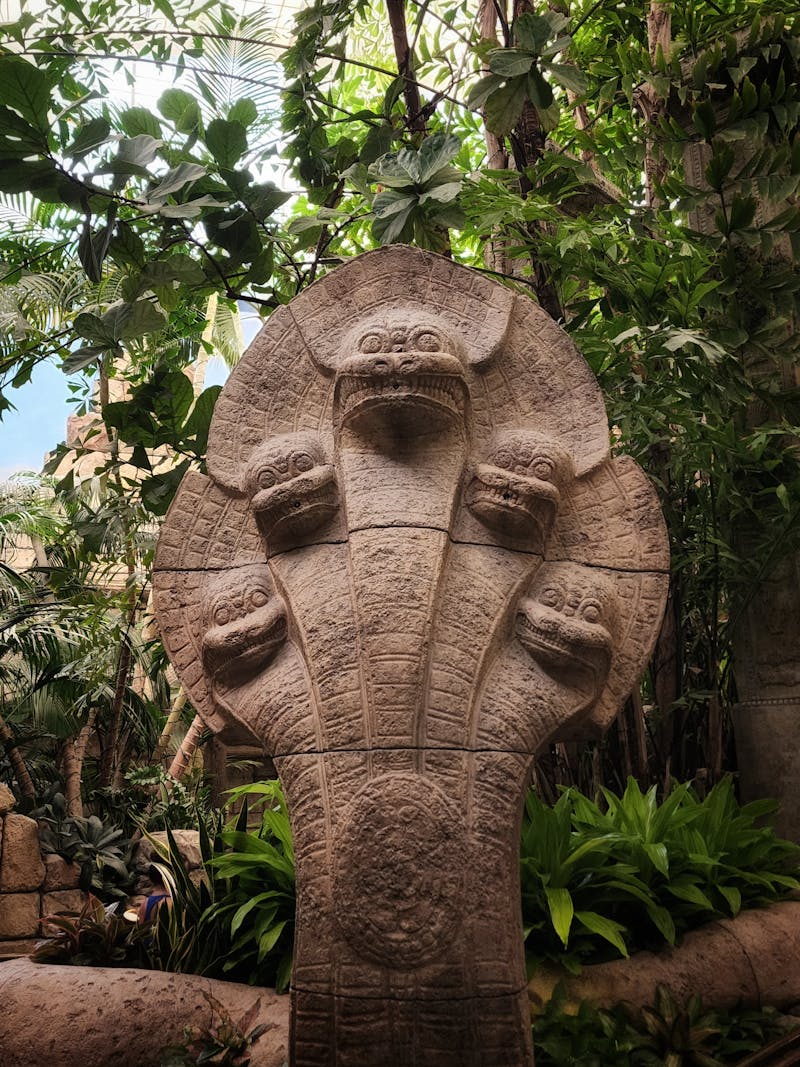
The temple's central deity is a golden cobra coiled protectively around a Shiva lingam — the Mahashesha Rundamalini. This is one of the very few temples in Mumbai dedicated primarily to Nag Devi.
On Nag Panchami, the temple draws thousands of devotees from across Mumbai. Roads around JVLR are diverted, police deployment increases, and one lane of the road is blocked for the procession.
Known locally as Icha Puri Mandir (Wish-Fulfillment Shrine), devotees believe that sincere prayers to Nag Devi on this day are especially powerful for removing obstacles and fulfilling wishes.
A day of profound devotion — from dawn to dusk
The temple opens early for Nag Panchami. Devotees arrive before dawn for the first darshan of the Nag Devi in her full festival adornment — decorated with flowers, vermillion, and gold.
The sacred bathing ceremony. Devotees pour milk, coconut water, and honey over the Nag Devi lingam while priests chant Nag Panchami Stotrams. This is the most intimate ritual of the day.
Elaborate worship with coconut offerings, incense, camphor aarti, and chanting of the Nag Gayatri mantra. The air fills with fragrant smoke as hundreds of devotees offer prayers simultaneously.
A grand procession through the streets of Panchkutir and nearby Powai neighbourhoods. Drums, devotional music, and chanting fill the streets as the Nag Devi is carried in a decorated palanquin.
Free community meal served to thousands of devotees. Traditional vegetarian prasad including rice, dal, sabzi, and sweets. All are welcome regardless of faith or background — true to the temple's motto.
Extended afternoon darshan hours. Devotees can book special Nag Pujas for Kaal Sarpa Dosha remedy, prosperity, and protection. Individual abhishekam available.
The most spectacular moment of the day. Hundreds of oil lamps light up the temple complex. Mass chanting of the Nag Panchami Stotram reverberates through the temple.
Devotional music, bhajans, and spiritual discourses by invited saints and scholars. Traditional dance performances celebrating the Naga mythology.
Final aarti of the day. The Nag Devi is offered rest for the night after a day of grand celebrations. Extended closing for Nag Panchami.
Chant with devotion for the blessings of the Nagas
अनन्तं वासुकिं शेषं पद्मनाभं च कम्बलम् ।
शङ्खपालं धार्तराष्ट्रं च तक्षकं कालियं तथा ।
Anantam Vasukim Shesham Padmanabham cha Kambalam |
Shankhapalam Dhartarashtram cha Takshakam Kaliyam Tatha ||
I bow to the great serpents — Ananta, Vasuki, Shesha, Padmanabha, Kambala, Shankhapala, Dhartarashtra, Takshaka and Kaliya.
ॐ नागकुलाय विद्महे ।
शेषनागाय धीमहि ।
तन्नो नागः प्रचोदयात् ।।
Om Nagakulaya Vidmahe |
Sheshanagaya Dhimahi |
Tanno Nagah Prachodayat ||
We meditate upon the serpent clan, we contemplate the great Shesha Naga. May the divine serpent illuminate our consciousness.
Plan your visit wisely for the best experience
Arrive before 6:00 AM for shortest queues and the most intimate darshan. The afternoon 4-6 PM slot is moderately crowded. Saturday-evening crowd levels apply all day.
Wear modest traditional attire — saree, salwar kameez, or kurta. Avoid leather items (belt, shoes). Remove footwear before entering the temple premises.
Coconuts, milk, flowers (especially marigold), and incense sticks. The temple also sells puja items at the entrance. Carry cash for donations and offerings.
Temple parking fills by 7 AM. Use public transport — Kanjurmarg Station (Central Railway, ~5 km) or Saki Naka Metro. BEST buses A-185, A-396 stop at Panchkutir.
Expect very large crowds. Police manage traffic and queues. One lane of JVLR is blocked. Follow temple volunteer instructions. Keep children close.
Photography is not permitted inside the temple premises. Selfies allowed only in designated outer areas. Mobile phones must be on silent.